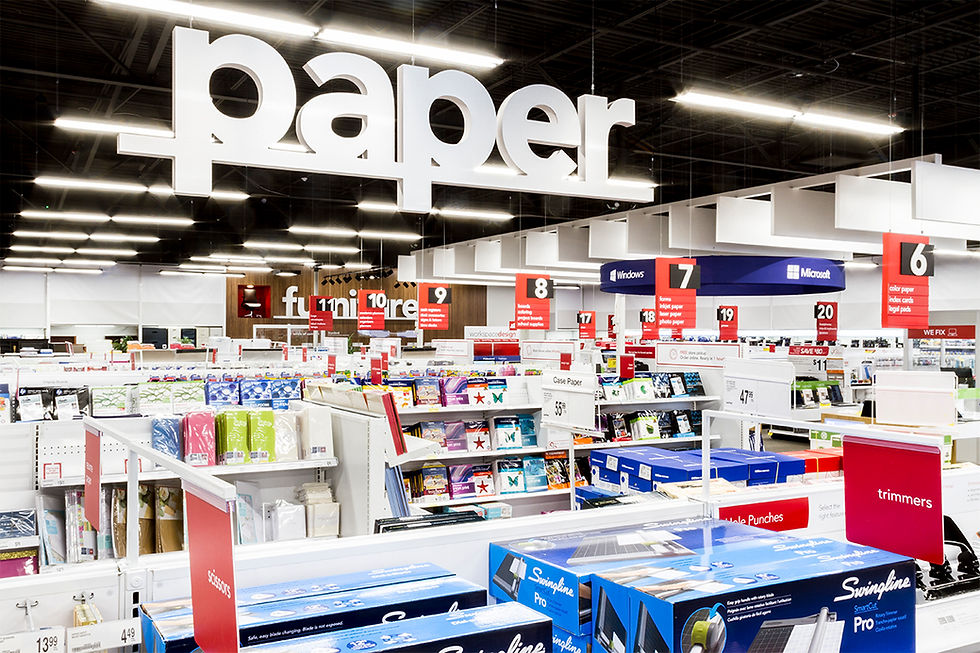
The Design of Seasonal Retail Departments
Seasonal departments in retail stores are strategically designed to maximize sales during specific times of the year while efficiently utilizing floor space.
For more about strategically designed spaces and Planograms, click here

These departments typically occupy flexible areas that can be easily reconfigured, such as front-of-store locations, endcaps, or dedicated seasonal zones. Seasonal departments often feature wider aisles to accommodate increased foot traffic and shopping carts filled with bulk purchases.
For tips on visual merchandising, click here
The setup process begins weeks or months before the season, with retailers clearing existing merchandise and transforming spaces with themed fixtures, signage, and displays. For example, summer departments feature bright colors and outdoor-themed displays, while holiday sections incorporate festive decorations and warm lighting to create an immersive shopping experience.
For more on seasonal planning, click here:
And for online seasonal planning, try this site:
Product placement follows retail psychology principles, positioning high-demand items at eye level and using cross-merchandising to encourage additional purchases.
Inventory management is crucial, as buyers must predict demand accurately to avoid overstock or stockouts. Many retailers use modular fixtures and adjustable shelving that can accommodate different product sizes throughout various seasons. Technology plays an increasing role, with some stores using data analytics to optimize layouts based on previous seasonal performance.

The transition between seasons requires careful planning, often involving overnight resets where teams completely transform the space. Clearance strategies help move remaining inventory, typically through progressive markdowns in designated areas.
For tips on managing seasonal inventory, click here
Successful seasonal departments create a sense of urgency and excitement, encouraging impulse purchases while making seasonal shopping convenient and enjoyable. The key lies in balancing attractive presentation with operational efficiency, ensuring smooth customer flow while maximizing revenue per square foot during peak seasonal periods.