How Value Engineering Improves Design
For value engineering to be truly valuable, it must be applied thoughtfully and consistently throughout the design, fabrication, and installation processes. When done properly, the project will be sharpened rather than diluted.

This means every material, system, and design decision must be reviewed against its actual contribution to function, customer experience, and cost. What doesn’t pull its weight must be trimmed or substituted.

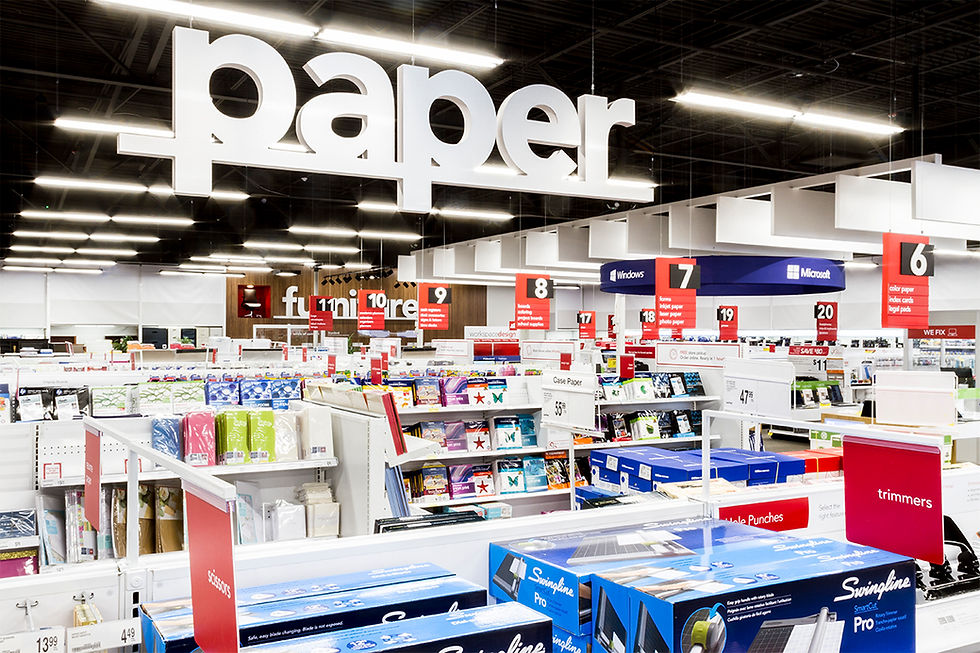
In retail spaces, this discipline forces design teams to ask which elements truly drive sales and brand perception, and which are simply expensive habits.

The improvements usually show up in a few ways. First, since lower-priority back-of-house or transitional spaces are simplified, budgets are redirected toward high-impact zones, such as storefronts, checkout areas, and feature displays. This creates a more intentional design hierarchy rather than uniform spending across the entire footprint.

Value engineering often surfaces alternative materials or construction methods that achieve the same visual or durable quality at lower cost, freeing money for finishes or fixtures that customers actually notice and touch.

In the early stages of the process mechanical, electrical, and structural systems are streamlined, which can simplify ceiling lines, lighting layouts, and floor plans in ways that make a store feel cleaner and more navigable.

There's also a coordination benefit: because value engineering requires architects, contractors, and retailers to negotiate priorities early, it often catches conflicts or inefficiencies that would otherwise surface during construction, reducing change orders and design compromises made under time pressure later.

The risk is that poorly executed value engineering becomes pure cost-cutting, stripping character or durability. Done well, it's closer to editing: removing waste so the design's real priorities, brand identity, customer flow, and product presentation, come through more clearly rather than competing with unnecessary expense.

At Off The Wall, value engineering — done well— has been the keystone of our design, fabrication, and installation operations for over 50 years.